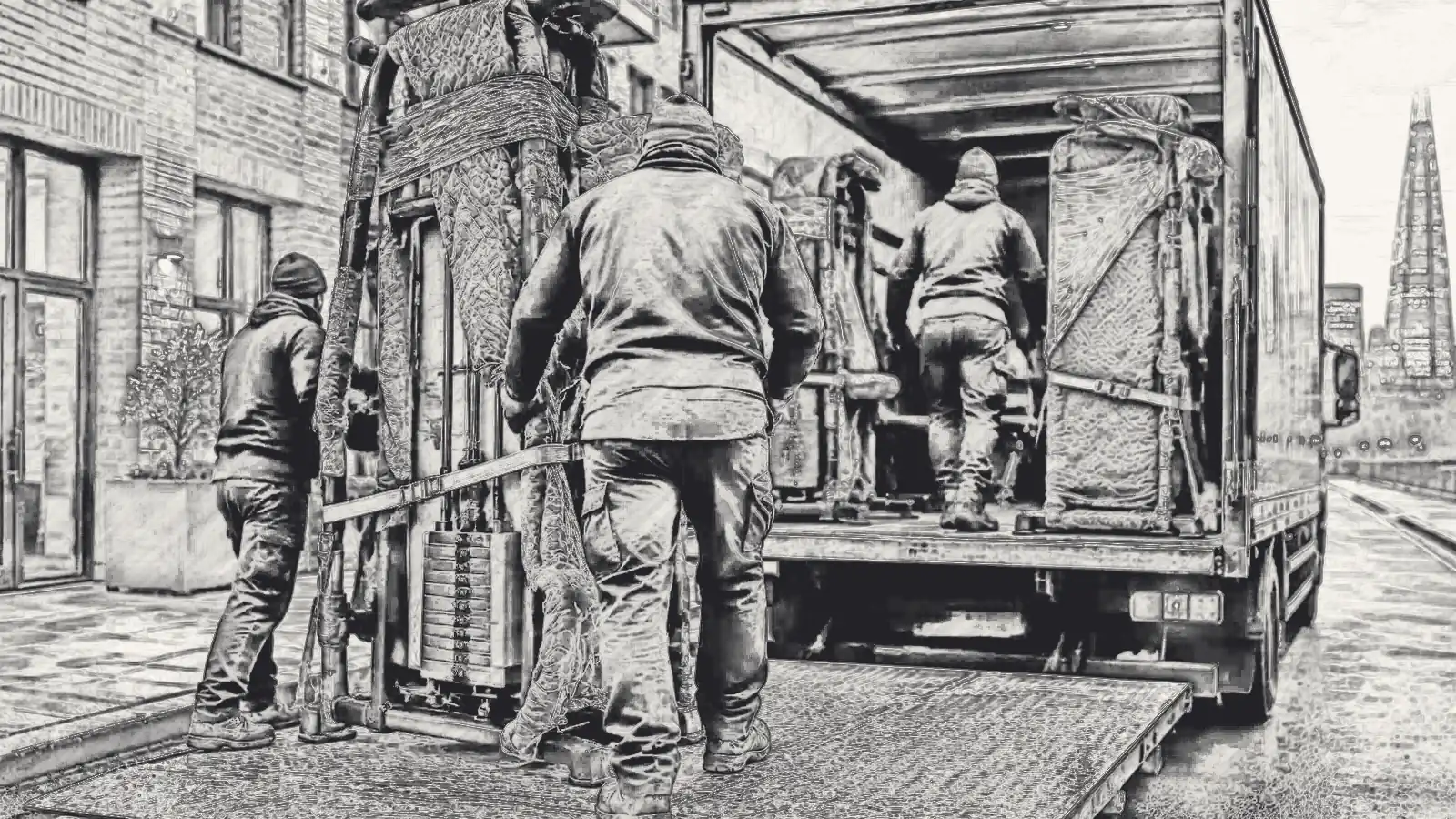
Gym Equipment Removals in London

We provide specialist gym equipment removals in London for homeowners, studios and commercial clubs, covering dismantling, protected transit, reassembly, storage and clearance. Operated by Removals and Storage X (Removals & Storage Experts Ltd, founded in 2011), our London crews handle single domestic machines as well as full commercial gym equipment removals london wide and across the UK by quotation. Every job is surveyed from your photos or on site and confirmed with a written fixed price quote before booking.
- London-based specialist crews covering Greater London and UK-wide moves by quotation
- Dismantling, blanket protection, stair handling, reassembly and levelling included to scope
- Written fixed price quotes confirmed before dispatch with no hidden stair or waiting fees
- Operated by Removals & Storage Experts Ltd (BAR member and Which? Trusted Trader)
AI Move Method & Preparation Planner
Describe your gym equipment, access routes and site constraints to receive an indicative moving method and pre-move preparation checklist.
Enter your equipment list, access details and any site restrictions to receive:
- Recommended dismantling, crew and handling method
- Step-by-step preparation checklist before move day
- Access measurements and site risks to confirm before quoting
AI-powered indicative plan based on your description. Final moving method and written quote are confirmed after reviewing photos or completing a site survey.
Request a written quoteSpecialist gym equipment services
Every moving, installation, storage, disposal and guide page across London.
Moving
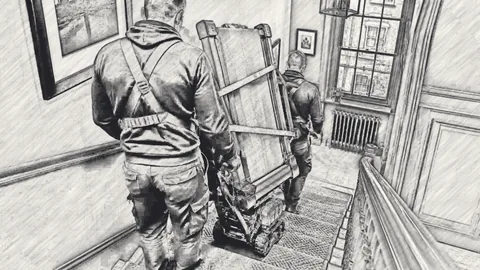
Treadmill Movers
Folding, stair carries and reassembly for domestic and commercial treadmills.
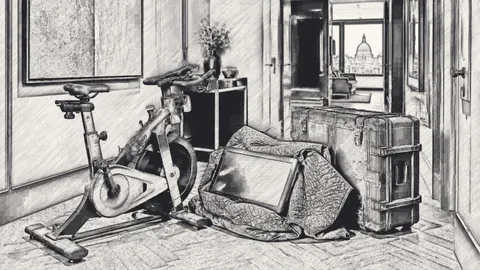
Peloton Moving
Independent disconnect, transit and setup for Peloton Bike and Tread.
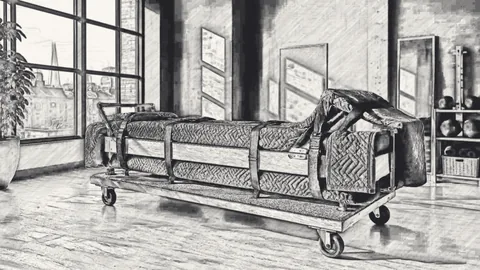
Pilates Reformer Moving
Careful dismantling, transport and alignment for home and studio reformers.

Home Gym Moving
Power racks, multigyms, benches and free weights moved between properties.
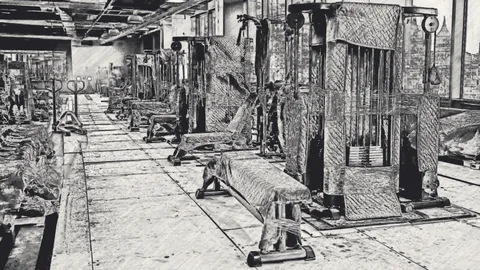
Commercial Gym Relocation
Overnight and weekend moves for health clubs, studios and corporate gyms.

Pilates and Spin Studio Relocation
Multi-unit reformer and spin bike relocations scheduled around classes.
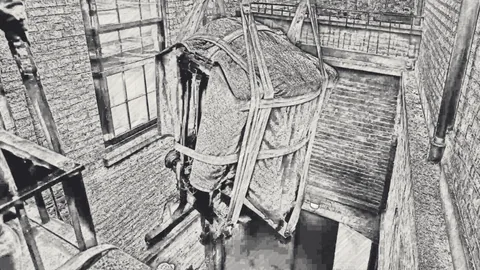
Basement and Rooftop Moves
Stair climbers, hoists and crane lifts for tight or elevated access.
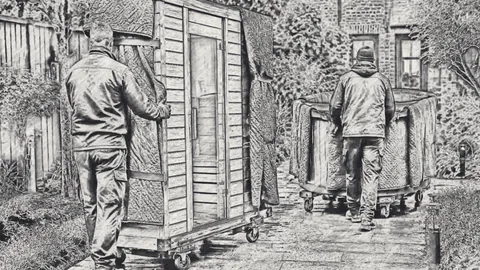
Sauna and Cold Plunge Moving
Specialist handling for home saunas, ice baths and recovery units.
Installation
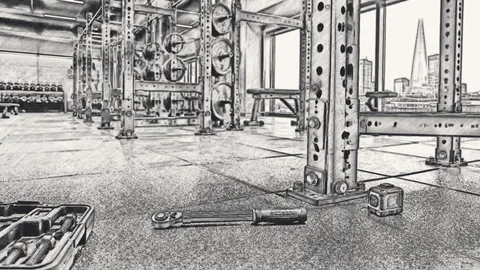
Gym Equipment Installation
Delivery, positioning and mechanical fitting for home and commercial kit.
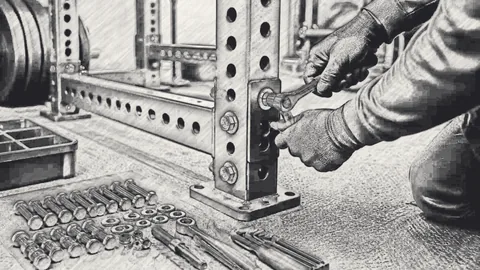
Gym Equipment Assembly
Flat-pack and boxed assembly for treadmills, racks and multigyms.
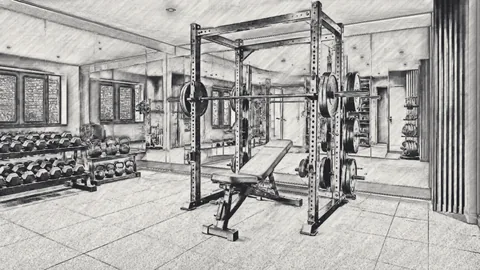
Home Gym Installation
Equipment fitting, mirrors and rubber flooring completed in one visit.
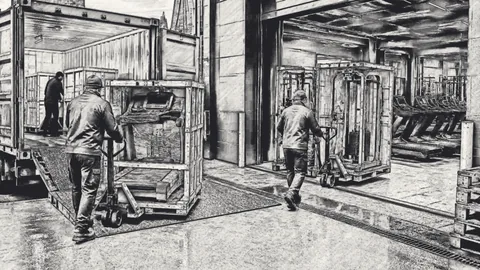
Commercial Gym Installation
Container unloading, floor layout and install for clubs, hotels and offices.
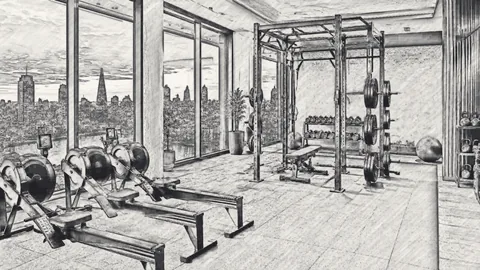
Residential Building Gyms
Resident gym fit-outs and replacements for BTR and property developers.

Boxing Rings and MMA Cages
Installation, dismantling and relocation of rings and competition cages.
Gym Mirrors
Large safety-backed gym mirrors measured and fitted across London.
Gym Flooring
Heavy-duty rubber tiles and rolls supplied and laid to specification.
Garage Gym Setup
Flooring, rack anchoring, mirrors and kit fitting for garage spaces.
Trade Delivery and Installation
Two-person white-glove delivery and build for equipment retailers.
Storage
Disposal and Clearance
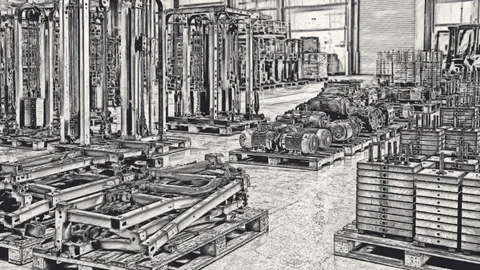
Gym Equipment Disposal
Collection and responsible recycling with WEEE documentation for businesses.
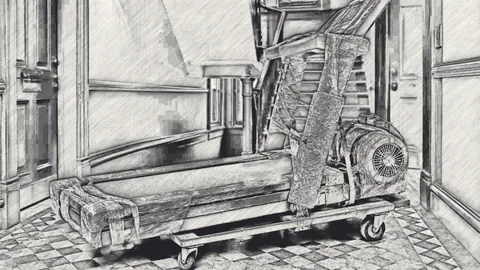
Treadmill Disposal
Dismantling and collection from any floor for recycling or resale.
Gym Clearance and Strip Outs
Full equipment, mirror and rubber floor clearance. Building waste excluded.
We Buy Gym Equipment
Photo valuation, collection and payment for used home and club machines.
Resources
Guides
Browse all 27 practical gym moving, installation, flooring and disposal guides.
Knowledge Base
Search 577 gym equipment reference articles and technical answers.
Gym Manufacturers
Manufacturer equipment guides with moving, installation and Knowledge Base links.
Gym Removal Directory
Business profiles grouped by location and category, with OpenStreetMap locations.
Glossary
Frequency table of merged gym moving unigrams and bigrams.
Tools
Free planning tools for storage space, flooring, checklists and disposal decisions.
About
Removals and Storage X, specialist London movers established in 2011.
How it works
Stage 1: Survey
We review equipment models, photos of stairs, lifts and doorways, and parking access at both addresses before confirming a written quote.
Stage 2: Dismantle
Where access requires strip-down, we photograph cable routing and connectors, detach consoles or frames carefully and bag all bolts by component.
Stage 3: Move
Floors, walls and banisters are lined with protective runners while wrapped frames travel on heavy-duty dollies, stair trolleys and tail-lift vehicles.
Stage 4: Rebuild
At the destination we position each unit on your floorplan, reassemble frames, level the feet, reconnect power and verify smooth mechanical operation.
5-star customer reviews on Google
Verified 5/5 Google feedback for Removals & Storage Experts Ltd (Removals and Storage X).
“Great service! Really efficient and on time. Patryk made the process of us moving out of our home and needing storage for a few months really seamless and easy. Thank you to the whole team!”
Gillian · 6 years ago
“Excellent communication throughout the process. Bart and Chris were extremely efficient and polite when collecting my belongings.”
Polly · 5 years ago
“Highly recommend this Removal and Storage company which provides top services at fair prices and which team is always very helpful and accommodating.”
THOP London · 6 years ago
What our gym equipment removals london crews handle
Moving gym equipment safely requires different tools, vehicles and crew training from an ordinary household removal. Most cardio and strength machines combine heavy steel frames, sensitive wiring looms, heavy flywheels and awkward weight distribution. A single commercial treadmill or pin-loaded cable station can exceed the safe lifting capacity of a standard two-person van crew, particularly when it has to pass through a narrow Victorian hallway, a tight stairwell turn or a residential lift.
As dedicated gym equipment movers, we plan each move around the exact machine dimensions, weight and building access rather than treating fitness hardware like ordinary furniture. We serve three core customer groups across London: private homeowners moving one machine or a full garage gym, boutique studios relocating or refitting their floor, and commercial operators coordinating multi-machine club moves.
Home gym relocation with dismantling and reassembly
Private gym equipment removals are usually combined with partial or full dismantling at collection and complete reassembly at the new address. Whether you are moving house across London, collecting a second-hand machine from a private seller, or shifting a heavy runner from a ground-floor garage up to a spare bedroom, we bring the socket sets, hex keys, torque wrenches, ratchet straps and padded blankets needed to protect both the machine and your property.
When a move focuses on a single heavy runner, our dedicated treadmill movers london service handles folding, console disconnection, stair trolleys and post-move levelling. For broader domestic clear-outs or multi-item moves involving racks, benches, dumbbells and rubber tiles, our home gym moving crews pack loose plates into heavy-duty crates and label every bolt bag by frame section.
Commercial gym relocation and overnight projects
Large commercial projects are normally carried out at night or during scheduled off-peak windows so members face minimal disruption. Our commercial gym relocation london teams work with club managers, property landlords and fit-out contractors to supply method statements, risk assessments, floor protection boards and sequenced loading plans. Every machine is tagged to match the destination floorplan before a single bolt is loosened.
Why heavy gym equipment movers plan around weight and access
People searching for gym equipment movers near me often discover that the hardest part of a move is not the road distance between postcodes, but the ten metres between the training room and the tail-lift van. Standard UK internal doorways offer approximately 720 mm to 760 mm of clear width once door stops and handles are accounted for, while many commercial cardio decks and assembled power racks are wider than 850 mm.
As heavy gym equipment movers, we assess three constraints before setting crew size and equipment: total dead weight, centre of gravity and turning radius on stairs. Forcing an assembled frame around a plasterboard corner risks cracked consoles, bent guide rods and damaged banisters. Controlled dismantling reduces both width and weight so each sub-assembly travels cleanly.
| Equipment category | Approximate weight range | Typical handling approach |
|---|---|---|
| Domestic folding treadmill | Approximately 75 kg to 130 kg | Fold and strap deck, or remove console and uprights for narrow stairs |
| Commercial non-folding treadmill | Approximately 160 kg to 240 kg | Console and upright strip-down, heavy-duty skates and three- or four-person stair carry |
| Power rack or Smith machine | Approximately 120 kg to 260 kg | Full frame strip-down, labelled hardware bags and torque-checked rebuild |
| Selectorised weight-stack machine | Approximately 180 kg to 340 kg | Weight plates removed individually, cable routing tagged, frame skated out |
| Studio Pilates reformer | Approximately 65 kg to 105 kg | Carriage locked, springs and ropes secured, thick quilted wrapping on wheeled dolly |
| Indoor cycling bike | Approximately 45 kg to 65 kg | Screen padded or detached where fitted, flywheel stabilised, blanket wrapped |
All weight figures above are approximate typical ranges by equipment type rather than guaranteed specifications for a specific unit. When you request a quote, sharing the make and model allows us to check the exact manual dimensions before dispatch.
How our gym equipment relocation process works
Every gym equipment relocation follows the same four-stage operational structure, scaled to suit either a single residential machine or a hundred-piece commercial facility. Clear preparation removes guesswork on move day and keeps building managers, neighbours and site contractors informed.
Stage 1: Survey
We review equipment models, photos of staircases, lifts and doorways, and parking restrictions at both postcodes before confirming a written fixed price quote.
Stage 2: Dismantle
Where access requires strip-down, we photograph cable routing and connectors, disconnect wiring looms carefully and bag all bolts by component.
Stage 3: Move
Flooring and walls are protected with correx or neoprene runners while wrapped frames travel on heavy-duty dollies, stair trolleys and tail-lift vehicles.
Stage 4: Rebuild
At the destination we position each unit on your floorplan, reassemble frames, level feet, reconnect power and verify basic mechanical alignment.
For projects where equipment arrives boxed from a manufacturer or distributor rather than moving between two existing sites, our gym equipment installation london crews unbox, assemble, position and remove all pallet and cardboard packaging in a single scheduled visit.
Protecting floors, walls, cables and consoles in transit
Gym equipment rarely fails because of a short van journey; damage happens when steel feet scrape across engineered oak flooring, when an unstrapped treadmill deck swings open on a landing, or when a ribbon cable inside an upright gets pinched during reassembly. We use dedicated protection materials on every job so both the building fabric and the machine finish remain intact.
- Heavy quilted moving blankets and corner guards around painted steel frames and shrouds
- Dedicated padded sleeves for touchscreens, LED consoles and acrylic mirrors
- Non-marking pneumatic and polyurethane wheel skates for wood, tile and resin floors
- Correx floor protection sheets and door-frame guards for communal corridors and lifts
- Ratchet straps and load-lock bars anchoring every frame to vehicle tie-rails
- Labelled zip bags and cable tags so every bolt and wire returns to its original terminal
We carry removals-grade goods-in-transit and public liability insurance appropriate for domestic homes and commercial buildings. Where a residential block or office landlord requires proof of insurance or a building-specific method statement before granting lift access, we send the paperwork in advance of the booking date.
Installation, storage, disposal and equipment buy-back
Many gym moves involve more than transport from A to B. Flooring contractors may still be laying rubber tiles at the new address, old machines may need to leave the building before new kit arrives, or a studio refurbishment may require temporary decanting off site.
Secure London storage between collection and fit-out
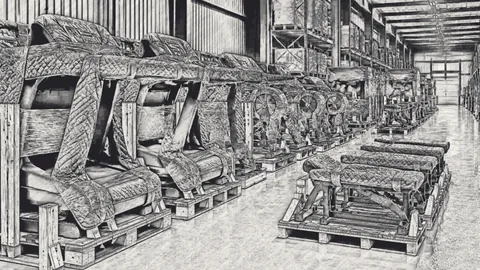
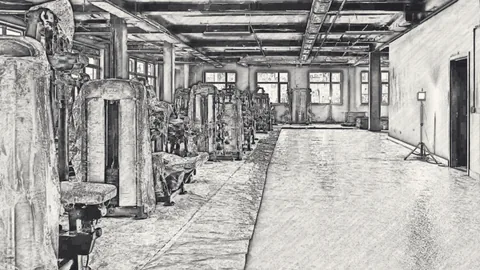
Because we operate as part of Removals and Storage X, we can collect your machines, wrap and palletise them cleanly in our London warehouse, and deliver and rebuild them weeks or months later when your space is ready. Our gym equipment storage service is commonly used during house moves with delayed completion dates and commercial gym refurbishments.
Licensed disposal, full clearance and commercial buy-back
When older cardio or strength units are no longer worth relocating, our gym equipment disposal london team dismantles and removes them through licensed recycling and WEEE routes, separating electrical consoles, motors, steel frames and rubber belting. We do not handle builders' waste, rubble or skips.
If you are closing a studio, upgrading a commercial floor or parting with well-maintained commercial machines, our we buy gym equipment london service provides direct written valuations and scheduled collection so you can recover value while clearing the space in one visit.
Planning London access, stairs, basements and parking
London properties present a specific set of logistics challenges: narrow terraced houses with steep basement steps, red-route loading windows, Controlled Parking Zones, underground car parks with low height barriers, and apartment developments with strict concierge booking slots for service lifts.
Before booking a slot, we ask for photos or short walk-through videos of the tightest doorway, stairwell turn and street parking outside both addresses. Where a basement lightwell or rooftop studio cannot be reached via internal stairs, our basement and rooftop gym moving crew plans specialist rigging or external hoisting in advance.
Illustrative London residential home-gym relocation plan
Example workflow showing how a typical three-piece domestic move between two London postcodes is sequenced from survey to handover.
- Pre-move review of machine models, staircase photos, doorway widths and Controlled Parking Zone bays at both addresses.
- Arrival with tail-lift van, floor protection runners, blankets, socket sets and a three-person crew suited to the heaviest machine.
- Controlled dismantling of the power rack and treadmill uprights, with bolts bagged and labelled by section and loose weight plates crated.
- Protected removal down stairs using skates and straps, followed by secured van transit across London.
- Reassembly in the destination room, frame levelling, power check and removal of all protective sheeting before sign-off.
Clear scope boundaries: what we do and do not do
Setting clear boundaries before booking avoids wasted visits and protects your warranty. We are specialist movers, installers, storers and clearance crews. We do not provide mechanical servicing, electrical fault diagnosis, motor repairs or running-belt replacements.
Similarly, on clearance projects we remove fitness equipment, rubber matting, storage racks and studio fixtures, but we do not collect builders' rubble, plasterboard, masonry or general construction waste. Keeping our scope focused ensures every van arrives with the right lifting kit and trained crew for gym hardware.
What to send for an accurate fixed price quote
To issue a written fixed price quote without surprises on move day, we need a short list of practical details rather than an estimate over a vague description. You can send these through the quote form on this page, by email or on WhatsApp.
- Equipment list with brand and model names where known, plus approximate count of loose plates or dumbbells
- Collection and delivery postcodes, along with preferred date or evening/weekend window
- Floor levels at both addresses and whether a passenger or goods lift is available (with lift door width and depth)
- Photos of the equipment and any tight staircases, narrow doors or external steps
- Parking arrangements outside each property, including loading bays, driveways or resident permits
Once we review your details, we confirm crew size, dismantling scope and a written fixed price quote before you commit to a booking slot.
Unsure whether to relocate, store, sell or recycle your gym machines? Run through five quick questions in our Dispose, Sell or Store: Gym Equipment Decision Tool.
Dispose, Sell or Store: Gym Equipment Decision Tool
Answer five short questions, one step at a time, to see whether relocation, decant storage, buy-back, clearance or disposal fits your gym equipment.