Cybex: moving and installation guide

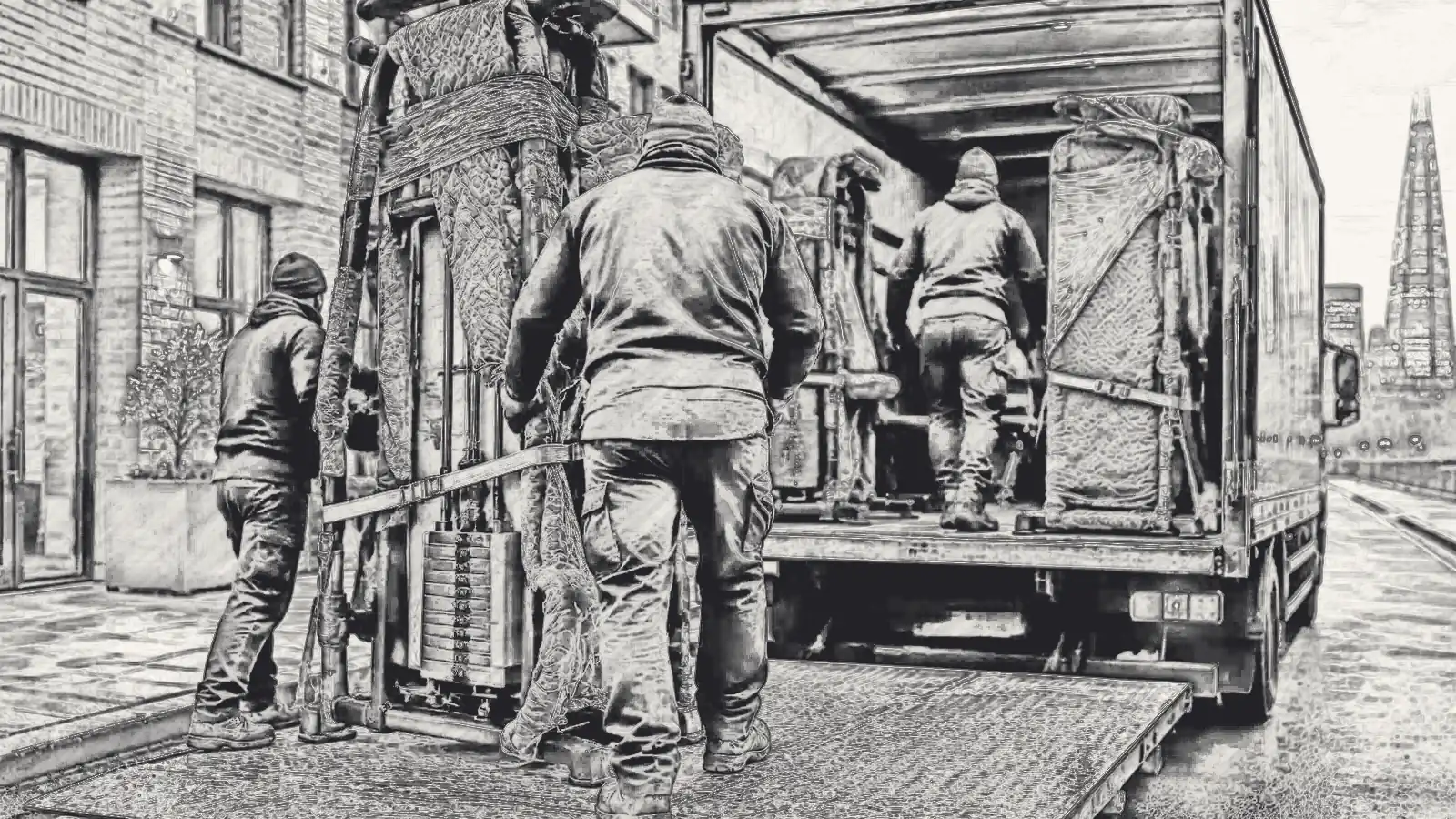
Cybex equipment needs model-led relocation planning, particularly when a move involves commercial strength frames or a cross-trainer with moving components. The supplied official product listing identifies the R Series Total Body Arc Trainer, including moving arms, adjustable incline and console variants, and marks that model as discontinued. Those details help define the questions to ask; they do not establish the dimensions, weight or handling requirements of an individual machine. This directory overview concentrates on identifying equipment, assessing access and agreeing a practical handover rather than recommending a purchase. For a Cybex-labelled strength frame, its identity and matching documentation must establish the construction before dismantling is considered. GymMovers.co.uk can help plan that process, subject to survey and agreed scope. Use the Gym Manufacturers directory to organise a mixed-brand inventory without assuming that one machine’s moving method applies to another.
Independent service notice
Independent service, not affiliated with Cybex.
Identify the machine before defining the move
Start with photographs of the complete machine, its identification plate and any separate attachments. Record the model and serial details exactly rather than relying on a seller’s description or the Cybex name alone. For a strength frame, photographs should establish its actual configuration without treating that configuration as a verified catalogue specification. For an Arc Trainer, capture the console and moving-arm arrangement as well as the main body. This gives the surveyor a useful starting point while leaving dimensions, weight and approved handling information to the matching manual.
The official R Series Total Body Arc Trainer listing is useful evidence for that named model, not a specification sheet for every Cybex machine. Its discontinued status makes careful identification especially important when paperwork has become separated from equipment, but does not itself establish condition or suitability for another site. The Cybex Knowledge Base provides reference guidance to support preparation. It is not an official manual or an approved moving procedure, and should not replace the instructions applicable to the particular machine being surveyed.
Treat a strength frame as a route problem
A frame that fits its present training space may still present a difficult exit when its widest section reaches a doorway or stair turn. Assess the frame’s fixed outline separately from any attachments that the matching instructions permit a competent crew to remove. Do not assume that a visibly bolted joint is intended for relocation dismantling. The important question is whether the documented transport configuration can pass through the entire route, including the space needed to turn and control it, rather than simply clear the first door.
On a commercial floor, equipment may have been installed before partitions, reception furniture or neighbouring machines reached their current positions. Survey the route as it exists now and identify anything the operator must clear before collection. If the strength machine includes a weight stack, cables or separate loading components, record those features for the crew without prescribing their removal. The handling plan must account for the actual assembly and balance. Neither an apparently compact footprint nor a clear corridor establishes that the proposed handling method is suitable.
Agree the strength-frame dismantling boundary
Dismantling should solve a defined access or handling problem, not become an automatic first step. Compare a protected whole-machine move with any documented partial-dismantling option after the route has been assessed. The quotation should identify what is expected to remain assembled and what may need separation, while allowing for findings at survey. Exact sequences, restraint arrangements and suitable handling points belong to the matching manual and competent crew. An owner should not start loosening frame connections in anticipation of collection merely because access looks tight.
Where agreed dismantling is appropriate, component identification becomes part of the transport plan. Keep each machine’s removed fixings and permitted detachable parts associated with its inventory reference, especially when several similar frames leave together. Record the assembly condition and photograph relevant connections before work starts. Planned gym equipment assembly should cover the mechanical reassembly agreed for that machine, rather than imply unrestricted installation capability. If documentation or essential components are missing, resolve the limitation before booking a move that depends on successful reassembly at the destination.
Account for the Arc Trainer’s articulated parts
The R Series Total Body Arc Trainer has moving arms and adjustable incline, so its relocation assessment must consider more than the outline of a stationary base. Articulated arms can change the space occupied around the machine and introduce movement that needs managing during handling. The crew should establish the prescribed transport condition from the applicable instructions, including how moving elements are dealt with. Do not assume the arms are carrying handles, that the machine folds, or that changing its incline creates an acceptable transport position.
Console variants also matter when documenting an R Series machine for collection. Photograph the fitted console and surrounding structure so protection and clearance planning reflect the equipment actually present, not a photograph of another variant. Any permitted separation of console-related components must follow the matching instructions and agreed scope. Protective wrapping should not be treated as a substitute for controlling articulated movement. At delivery, allow the documented operating space for the machine’s moving parts rather than positioning it solely according to how closely its base fits beside another item.
| Equipment being assessed | Planning emphasis |
|---|---|
| Identified strength frame | Fixed geometry, documented separation options and component tracking. |
| R Series Total Body Arc Trainer | Articulated arms, fitted console and prescribed transport condition. |
Survey the complete collection and delivery route
Route planning needs actual equipment measurements from the matching documentation, checked against the machine where necessary, plus measured access at both addresses. Include door openings, corners, changes of level and the approach from the vehicle. A building lift requires more than a check of its doorway: its usable space, stated restrictions and the proposed load arrangement need assessment. Stairs or external access may require a different plan. No lift, hoist or crew capability should be promised solely from a model name, a photograph or a building description.
For a busy facility, commercial gym relocation planning should also separate the working route from members, staff and equipment that remains in use. Agree who manages access permissions and clears temporary obstructions, including items outside the gym operator’s control. At a residential address, photographs of the final room are not enough if the difficult section is a shared entrance or narrow landing. Record both routes before allocating handling resources, and revisit the plan if building works or layout changes alter the agreed conditions before moving day.
- Match manual and identification plate.
- Photograph frame, arms and console.
- Measure both complete access routes.
- Confirm building restrictions and permissions.
- Agree destination position and handover.
Plan the destination before loading
A successful delivery ends at an agreed position, not merely inside the building. Mark the intended location and establish the clearances required by the matching manual before the crew arrives. For a strength frame, consider how users will approach it and access any applicable adjustments or loading areas. For the R Series Arc Trainer, include the space needed around moving arms. These are layout questions to resolve with the operator; the transport team should not be asked to improvise an operating arrangement around an already crowded floor.
Floor suitability, any securing requirements and available services must be confirmed by the responsible parties rather than inferred from the equipment having stood safely elsewhere. Agreed gym equipment installation can include positioning and mechanical reassembly within the surveyed scope. It does not mean movers undertake electrical or clinical commissioning. Where the manual or site arrangements require another competent specialist, schedule that work separately and make the handover boundary explicit. Keep the equipment unavailable for use until the owner has completed the required acceptance process for that machine.
Prepare for storage without losing machine identity
Storage introduces another handling stage and can separate the machine from the people who know its configuration. Before arranging gym equipment storage, identify what will be stored assembled and what will remain in labelled component groups following authorised instructions. Record the condition at entry and preserve access to identification details without relying on loose labels alone. A strength frame and its detached parts should remain traceable as one inventory item, even if the storage layout means they cannot occupy the same immediate space throughout the storage period.
For an R Series Arc Trainer, storage protection must account for the moving arms and fitted console rather than covering the machine and assuming it is secure. Agree suitable restraint and packing through the competent crew’s plan and applicable instructions. Confirm environmental requirements from the manual instead of assuming any vacant unit is suitable. Plan retrieval as well as arrival: blocked access can create unnecessary extra movements. If the destination changes during storage, assess the new route and installation position before arranging release from the storage location.
Set a realistic scope for a home or business move
A home purchase of previously commercial equipment can have different constraints from a transfer between open gym floors. The seller may offer collection only, while the buyer expects the machine to reach an upstairs room. Establish responsibility for releasing the equipment, supplying documentation and providing access before agreeing dates. With home gym moving, suitability depends on the identified machine and surveyed route, not the residential nature of the booking. Avoid buying on the assumption that a strength frame will dismantle easily or a cross-trainer will fold.
For either setting, GymMovers.co.uk help can cover planning, dismantling where appropriate, protected moving, positioning and mechanical reassembly, subject to survey and agreed scope. A useful written quotation should distinguish those activities from work retained by the owner or another contractor. Identify whether storage, repeat attendance or an unresolved access issue affects the proposed sequence. This is not a repair or maintenance booking, and relocation should not be described as restoring equipment to serviceable condition. Its purpose is to move the identified equipment under an agreed handling plan.
Make the mechanical handover specific
At handover, reconcile the delivered equipment with the collection inventory and record its final position. For a strength frame that was partly dismantled, confirm which agreed mechanical reassembly tasks have been completed and whether any components remain separate. For the Arc Trainer, record the fitted console and completion of the agreed handling work around articulated parts. Document visible condition and any limitations clearly. These records help distinguish completed transport work from outstanding owner actions without turning a delivery signature into a blanket declaration that every operating requirement has been satisfied.
The owner should retain the identification record, matching manual, component inventory and agreed scope together for the next move. Any unresolved question about safe use belongs with the appropriately competent party before the machine is released to users. Movers do not provide manufacturer approval, warranty assurances or electrical or clinical commissioning through a mechanical handover. Clear responsibilities are particularly valuable where the buyer, facility manager and receiving staff are different people. End the job with a shared record of what arrived, what was reassembled and what still needs separate attention.
Documentation and sources
What our customers say
Verified 5/5 Google feedback for Removals & Storage Experts Ltd (Removals and Storage X).
“Quick and friendly response to my initial query; prompt agreement on what needed to be packed and stored; and move to new location pain-free as the team re-assembled the flat-pack kit, then cleaned up and cleared off. Terrific service.”
Drewery · 8 years ago
“Super efficient and friendly Team - Thanks Milosz, Marcin and Kian - you made our move smooth and stress free!”
Nicolai · a year ago
“Always a pleasure dealing with this company. They are honest and transparent and it never feels like a hassle. True customer service.”
Fabien · 4 years ago