Wolverson Fitness: moving and installation guide

Wolverson Fitness is relevant to relocation planning because its verified catalogue includes own-brand rigs and racks, folding racks, wall-mounted rigs and mobile squat stands. It also sells equipment from Concept2 and Assault, so a purchase from Wolverson does not establish who manufactured every item on a delivery list. For gym operators and home customers, that distinction matters when identifying manuals, planning handling and agreeing installation responsibilities. This overview focuses on functional training structures and the barbells, weights and other equipment that may accompany them on your inventory, without assuming those accompanying items are Wolverson-made. Through GymMovers.co.uk, you can arrange planning, appropriate dismantling, protected moving, positioning and mechanical reassembly, subject to survey and agreed scope. Use the Gym Manufacturers directory alongside the labels and documents for your actual equipment: a brand heading is a starting point, not a handling specification.
Independent service notice
Independent service, not affiliated with Wolverson Fitness.
Identify the mixed inventory
A mixed delivery list needs separate handling decisions for the rack structure, loose training equipment and any machines supplied under another manufacturer's name. Start with an itemised schedule rather than a single entry reading 'Wolverson gym'. Record the manufacturer shown on each item, its model and serial identity where available, and whether it is assembled, packed or already separated into components. Photographs should connect each label to the complete item, particularly where several similar rack sections or loose attachments could otherwise be confused during unloading.
The verified Wolverson categories establish the broad equipment types, but not the specification of your particular purchase. Obtain the matching manual and order details before deciding what can travel assembled or how much handling resource is needed. For barbells and weights, record the actual items present without assigning them a manufacturer from the invoice heading alone. This approach also helps trade delivery and installation: the receiving team can distinguish a complete delivery from loose components awaiting identification, rather than discovering the uncertainty after arrival.
- Link labels, photographs and manuals to each inventory entry.
- Separate assembled structures, loose loads and packed deliveries.
- Identify missing information before agreeing the moving scope.
Survey the rack route
For an assembled rig or rack, the useful question is not simply whether it fits through the final doorway. The survey needs to consider the whole route, including turns, landings, door furniture, overhead obstructions and the space available to change orientation. Long structural members may remain awkward even after appropriate dismantling. Use dimensions and weights from the actual manual, checked against the installed arrangement where necessary. A photograph can reveal a difficult corner, but it cannot establish clearance or a safe handling method on its own.
Compare the existing training layout with the proposed destination before booking the move. A rack that can enter a room may still be unsuitable for the intended position if access, surrounding use or installation requirements have not been considered. The survey should establish whether dismantling is appropriate and identify any specialist handling requirement, without promising that a lift or hoist will solve the route. For commercial gym relocation, agree which training areas and shared access routes must remain clear while structural components are brought through.
Check wall and folding arrangements
Wolverson's verified range includes folding racks and wall-mounted rigs, but those descriptions do not make every structure foldable or freestanding. Identify the exact arrangement and its connection to the building before planning removal. Folding for everyday use is not automatically a transport configuration, and a folded assembly may still need dismantling under its matching instructions. Ask for clear photographs of the complete installation and its fixing locations. A competent crew should determine the appropriate sequence from the manual and site conditions, rather than improvising from a similar-looking rack.
At the destination, the proposed fixing surface needs assessment against the requirements for that model; it should not be accepted merely because another rack previously occupied the wall. Agree who is responsible for confirming the substrate, specifying any required fixings and addressing the old fixing points. Those responsibilities may involve parties beyond the moving crew. Planning for gym equipment installation should distinguish positioning and mechanical reassembly from unresolved building work. If suitability remains unconfirmed, agree a holding position instead of treating the equipment as ready for use.
Keep mobile stands identifiable
Mobile squat stands are another verified Wolverson category, but the word 'mobile' is not enough to establish a loading method. Check the actual model, its current configuration and the manual before deciding how it should be moved. Any mobility features need assessing for the route rather than assuming they are suitable for thresholds, ramps or vehicle loading. Where stands form a working pair, identify them together on the schedule while recording each component separately. Keep the crew's handling decisions separate from how the owner normally repositions them.
For a home installation, planning should account for the route beyond the front door: a garage entrance, garden approach or internal turn can determine the practical method. Agree a clear receiving area so stands are not left where they obstruct access while other equipment arrives. Loose parts should remain associated with their parent items, with any uncertain component flagged rather than fitted by guesswork. When arranging home gym moving, explain whether the destination is ready for final positioning or whether the equipment needs temporary placement first.
| Inventory type | Planning question |
|---|---|
| Rig or rack | Can its verified transport configuration negotiate the route? |
| Wall-mounted or folding structure | Are removal and destination fixing responsibilities resolved? |
| Mobile squat stands | How will components be identified and handled? |
Protect barbells separately
Where barbells accompany the rack, list them as separate loads rather than accessories hidden within a rack entry. Confirm their identity, quantity and actual dimensions from the relevant product information; do not infer a standard specification from appearance. Their length affects corners and vehicle layout differently from compact weight loads. Plan protection that avoids unintended contact with surrounding equipment and keeps each bar identifiable. A mixed load should not leave bars loose between structural members, where movement in transit could damage surfaces or complicate safe unloading.
Decide where the bars will go before the vehicle is packed. If their intended storage depends on equipment that will be assembled later, provide an agreed temporary location rather than leaning them in a circulation route. Record any separate holders or associated parts actually present, without assuming they belong to the same manufacturer. At handover, reconcile the bars against the inventory and note visible condition. The moving scope concerns protected transport and positioning, not an assessment of training performance or a declaration that every bar is suitable for use.
Plan weights as concentrated loads
Loose weights need their own count and handling plan, even when they occupy little space beside a rack. Record the types and quantities actually present, and obtain reliable weight information for planning rather than estimating from a photograph. Compact loads can create concentrated demands on handling equipment, the vehicle and temporary holding areas. Neither available floor space nor an empty-looking box establishes a safe load. Packing quantities and handling methods should be selected by the competent crew for the equipment and route, not prescribed universally in advance.
Keep weight identification visible through packing and unloading, particularly when several batches look alike. If weights are currently held on a structure, do not assume they should stay there during transport; the matching instructions and handling assessment govern that decision. At the destination, agree where each batch will wait and how it will reach its final position without obstructing rack assembly. A counted handover is useful because an apparently complete training area can still conceal missing loose items. Record discrepancies while packaging and delivery records remain available for checking.
Sequence mixed deliveries
A delivery containing Wolverson structures and Concept2 or Assault equipment needs manufacturer-specific identification throughout. The verified catalogue confirms that Wolverson sells those other brands; it does not establish which models are on your vehicle or their transport requirements. Give each machine its own inventory entry and matching documentation. Avoid extending a rack handling decision to unrelated equipment just because everything shares a supplier. If the list contains an unidentified item, resolve it before finalising resources where possible, or make the uncertainty explicit in the agreed scope.
Set the unloading order around the destination layout and assembly sequence, not simply the order in which items appear on the invoice. Structural components need an organised work area, while loose weights and bars need protected holding positions that do not consume that space. Confirm delivery windows, receiving contacts and arrangements for checking packages before the crew arrives. Where several suppliers or teams are involved, identify who records shortages and who controls access. This reduces the risk of a later arrival blocking an unfinished installation or separating components from their records.
Store for orderly reassembly
If the destination is not ready, storage planning should preserve the relationship between each structure and its components. Label separated members and packaged hardware by their parent assembly, keeping the record intelligible to the crew that will retrieve them. Similar appearance is not evidence that parts are interchangeable. Agree protection and placement for the actual inventory, including long bars and compact weight loads. Do not assume every rack can be stacked, folded or nested for storage; use its documentation and a competent assessment of the proposed arrangement.
When discussing gym equipment storage, explain the likely retrieval sequence as well as the initial collection. Equipment needed first should be identifiable without opening unrelated packages or disturbing the entire consignment. Maintain an inventory showing what entered storage, its recorded condition and any parts already missing before collection. If the destination changes during the storage period, revisit access and installation assumptions before redelivery. The original survey cannot establish suitability for a different room, building or fixing surface, even when the equipment itself has remained unchanged.
Define the final handover
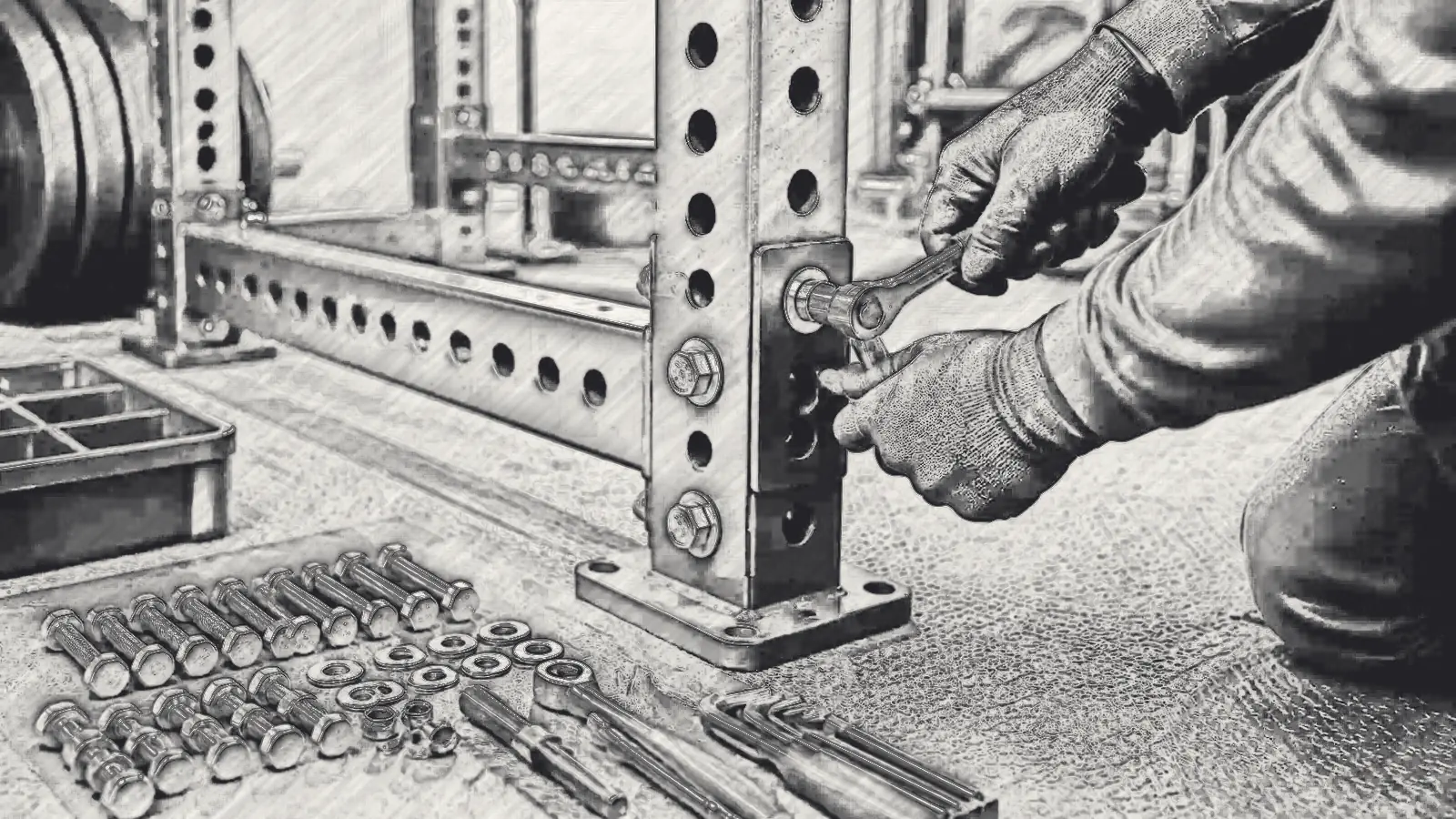
A useful handover distinguishes completed moving work from outstanding installation decisions. Reconcile structures, loose equipment and packaged components against the agreed inventory, then record final positions and any visible issues or missing parts. Mechanical reassembly, where included, must follow the matching instructions and agreed scope; it should not be described as manufacturer approval. If an anchoring requirement or building suitability question remains unresolved, document it clearly and restrict use as appropriate. Physical delivery into the room is not, by itself, confirmation that the installation is ready.
Before the crew leaves, confirm who holds the manuals, component records and notes about unfinished work. For mixed-brand deliveries, keep those documents associated with the correct equipment rather than filing everything under Wolverson. GymMovers.co.uk help can cover planning, dismantling where appropriate, protected moving, positioning and mechanical reassembly, subject to survey and agreed scope. It does not include electrical or clinical commissioning. The practical aim is a traceable transfer: the owner knows what arrived, what was assembled, where it was placed and which matters still require another responsible party.
Documentation and sources
What our customers say
Verified 5/5 Google feedback for Removals & Storage Experts Ltd (Removals and Storage X).
“Excellent company. Highly recommend. From appointment for initial quote through packing and moving all involved were helpful, courteous and nothing too much trouble. Fair and competitive quote with no hidden or extra charges.”
Jude · 10 years ago
“Very impressive service. They were clear on costs from outset, competitively priced, flexible as our plans changed, meticulous packaging our stuff, friendly and efficient.”
Michael · 5 years ago
“Very prompt and quick service. Patryk is professional and the guys are very well mannered too. Any request I had was accommodated very well. Would use again.”
Tacc · 6 years ago